

CUSTOM PACKAGING
PACKAGING MADE
FOR YOUR PRODUCT.
Custom rigid boxes, folding cartons and inserts, plus bottles, jars and dispensing components, built around your product. Share dimensions, quantities, material and finish preferences, and your US delivery requirements so we can define the packaging brief.
Submit a project inquiry01 / PACKAGING
Structures & presentation
Select a category to see its photographs and project details.

Photograph unavailable. Try another view.
PACKAGING
Rigid boxes
Rigid boxes create a substantial presentation for cosmetic collections, launches and premium gifts. Their wrapped, stiff board construction supports a carefully arranged reveal, but the best choice also depends on product weight, packing time and the space required to ship empty boxes. Start with the contents and intended opening experience before choosing decorative effects.
Structure & use
A lift-off lid gives a familiar two-piece opening; its overlap and clearance determine how easily it lifts. Shoulder-and-neck boxes add an inner raised wall that locates the lid. Drawer boxes slide a tray through a sleeve and need a practical finger notch or pull. A magnetic book-style box opens on a hinged cover. Collapsible rigid boxes use foldable joints and assembly features to reduce empty shipping volume; they remain a different construction from thin paperboard folding cartons. Compare erected strength, setup effort and visible corner details.
Materials & construction
Specify the usable interior, board caliper, wrap paper and finished external dimensions separately. Paper weight does not establish board thickness. Heavier glass contents may need additional support beneath the insert, while tall closures need clearance under the lid. Paperboard, molded pulp or suitable foam inserts should hold each item without rubbing decorated surfaces or making removal difficult.
Customization & finishing
Offset or digital printing can provide full-color artwork on appropriate wraps; screen printing may suit selected specialty surfaces or simple graphics. Feasibility depends on the actual stock, design and process. Foil adds metallic accents, embossing raises a detail, and debossing recesses it. Fine lines, deep textures and small gaps need a physical trial. Spot UV and film lamination change surface contrast and feel. Check adhesion, scuff appearance, fold areas and compatibility with foil; piling finishes onto one surface can complicate registration and handling.
Quality & approval
Use a plain structural sample to confirm fit and opening before a decorated sample establishes appearance. Agree tolerances for lid clearance, squareness, wrap seams, insert cavities and artwork position. Review magnet alignment and retention, corner coverage, glue marks and repeated opening. Assess the complete packed set for its delivery route: a presentation box is not automatically a shipping carton.
What to send us
Send actual product samples or dimensioned drawings, filled weights, quantities, preferred style and an opening reference. Include artwork, color and finish priorities, insert layout and the intended packing location. Tell us whether boxes should arrive assembled or flat and whether individual shipping protection is needed. Distinguish essential features from alternatives so the construction can be evaluated against the same brief.
02 / PACKAGING
Containers & dispensing
Select a category to see its photographs and project details.
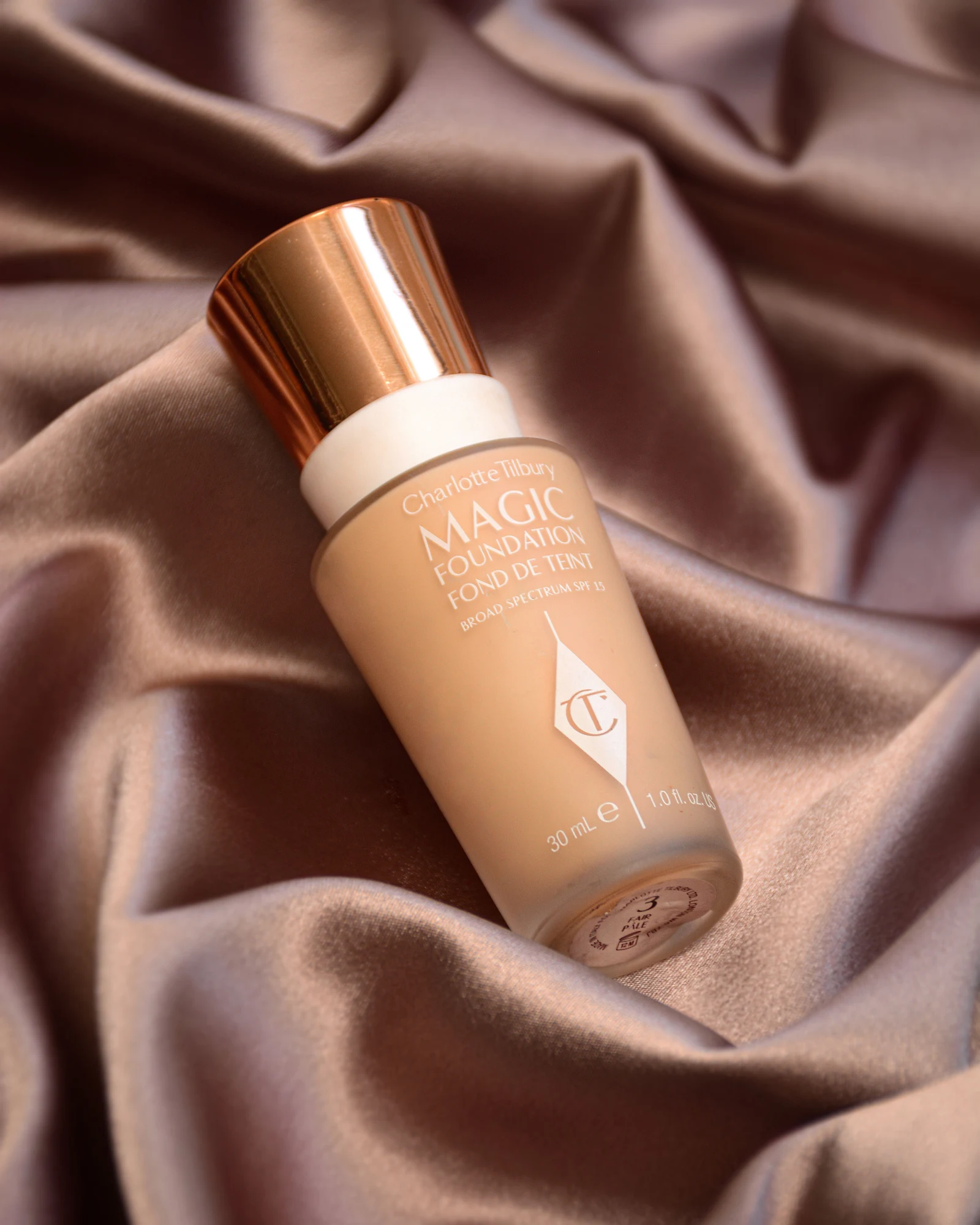
Photograph unavailable. Try another view.
PACKAGING
Bottles
A cosmetic bottle is a system comprising the container, formula, closure and filling process. Shape and color influence presentation, while neck geometry, material and wall construction influence how the package performs. Choose the bottle around how the product will be filled, stored and dispensed, rather than selecting capacity and appearance alone.
Structure & use
Separate intended fill volume from overflow capacity and leave the filling team's required headspace. Round, oval and rectangular shapes offer different grip and labeling surfaces. A slender bottle may fit a gift set neatly but needs an appropriate support arrangement during packing. Record the complete neck-finish designation and drawing. Matching a nominal diameter is not enough to establish cap or pump fit. Compare the assembled height, shoulder clearance and actuator access with the final closure installed.
Materials & construction
Glass provides a different weight and handling experience from PET, HDPE or other suitable plastics. Plastic resin names do not establish formula compatibility: oils, alcohols, fragrance components and other ingredients must be assessed with the actual selected container. Transparency, opacity, color and wall appearance should be specified through samples. Recycled-content requests need an agreed material basis and appearance standard, not an assumed equivalence to a previous resin.
Customization & finishing
Labels, direct printing, screen decoration, color and surface treatments should be selected for the bottle's material and geometry. Curved shoulders and tapered walls can limit usable artwork areas. Ask for a decoration drawing showing safe print zones, seams and orientation to the closure. Transparent bottles also reveal the product color and fill level. Review the decorated sample filled with the intended product or an agreed representative material; an empty bottle photograph may give a misleading impression of the finished presentation.
Quality & approval
Confirm dimensions, fill capacity, neck quality and decoration against agreed samples. The formula owner and filling team should define compatibility and stability work appropriate to the formula and intended storage conditions. Evaluate leakage and closure function as an assembled package, including relevant transport orientation. Filling temperature, tightening settings and line handling should be reconciled before approval. A water-filled sample alone does not demonstrate suitability for every cosmetic formulation.
What to send us
Provide the intended fill volume, formulation or compatibility requirements, filling conditions and dispensing method. Include bottle and closure drawings if either component is already selected, plus quantity, color, decoration and target dimensions. Identify whether the bottle must fit an existing carton, insert or filling line. Share the acceptance tests and documentation required for the exact packaging system.
03 / PACKAGING
Premium shopping bags & coordinated sets
Select a category to see its photographs and project details.

Photograph unavailable. Try another view.
PACKAGING
Premium shopping bags
Premium paper and paperboard shopping bags complete the presentation of a retail purchase or a carefully assembled gift. Their proportions, finish and handle details should feel consistent with the products inside. Start with the complete packed contents and filled weight, then develop a bag that carries comfortably and maintains its intended shape at handover.
Structure & use
Define width, height and gusset depth in a consistent order, and check the usable opening against the complete box or product set. A generous exterior does not guarantee comfortable loading if the opening or gusset is too narrow. Review the bag both standing and carried. Cord, ribbon, flat paper and twisted paper handles create different visual and handling results. Choose the handle arrangement alongside the folded top, attachment points and reinforcement. Base support and top reinforcement should suit the actual filled load and the desired presentation.
Materials & construction
Specify the paper or paperboard grade, basis weight, caliper and visible surface. These are separate properties: a heavier paper is not automatically the same thickness or stiffness as another grade. Coated, uncoated, textured and colored stocks can produce different print and tactile results. Review the folded edges, reinforced areas and glued construction as part of the material selection, together with how the completed bag holds its shape around the intended contents.
Customization & finishing
Coordinate printed artwork, handles, tissue and any matching box as a complete presentation. Offset or another suitable printing process should be selected for the actual paper and design. Foil, embossing, debossing, spot UV and matte or gloss lamination can create distinctive effects where the stock and construction support them. Review fine details, dark solid panels and finishing near folds on a physical sample. Texture, coatings and lamination affect the final appearance and process compatibility. Keep essential artwork away from gussets, base folds and handle attachments; the same color reference can appear different on a bag and its matching box.
Quality & approval
Approve a filled sample for proportions, loading access, handle comfort and appearance. Agree carrying checks using the intended load and handling pattern, rather than an undefined strength claim. Inspect handle attachment, reinforcement, base joints, fold cracking, print alignment and the selected finishes. Check how flat bags are bundled and protected so handles, corners and decorated surfaces arrive in the approved condition.
What to send us
Send the dimensions and total weight of the contents, quantities, artwork and preferred presentation. Include paper, finish and handle references, plus details of any coordinating box or tissue. Identify the intended retail or gifting use, delivery format and material documentation needed for the project. An actual packed box or representative product set helps confirm size, clearance and carrying performance before the final bag specification is approved.
PRINTING & FINISHING
THE SURFACE.
THE FINISH. THE DETAILS.
Offset and digital printing, foil stamping, embossing, debossing, spot UV, film lamination, aqueous coatings, soft-touch effects, textured stocks and die-cut windows are options to assess against the structure, material, artwork and production method.
Share print-ready artwork. We review dielines, bleed, fold and panel positions, color, barcodes and separate finishing layers before release. PDF approval is the standard step; physical proofs and finish samples are agreed for the individual project.
COMPLETE YOUR PRODUCT RANGE
THE PACKAGING.
AND WHAT GOES WITH IT.
Pair your packaging with custom applicators, treatment tools, branded accessories and aftercare essentials.
Explore beauty suppliesBring the complete set together
Need products and packaging combined into a finished set? Our Dallas kitting and assembly service can bring your products, inserts and packaging together to agreed instructions. You can use the service with your own goods or with a Link packaging order. Explore Dallas kitting and assembly.