
FROM REQUIREMENT TO DELIVERY

CLEAR REQUIREMENTS.
ACCOUNTABLE DELIVERY.

Custom packaging. Sourcing & manufacturing. Kitting & assembly. One connected process turns your brief into clear specifications, approved samples, controlled production and a delivery plan built around the actual order.

Submit a project inquiry
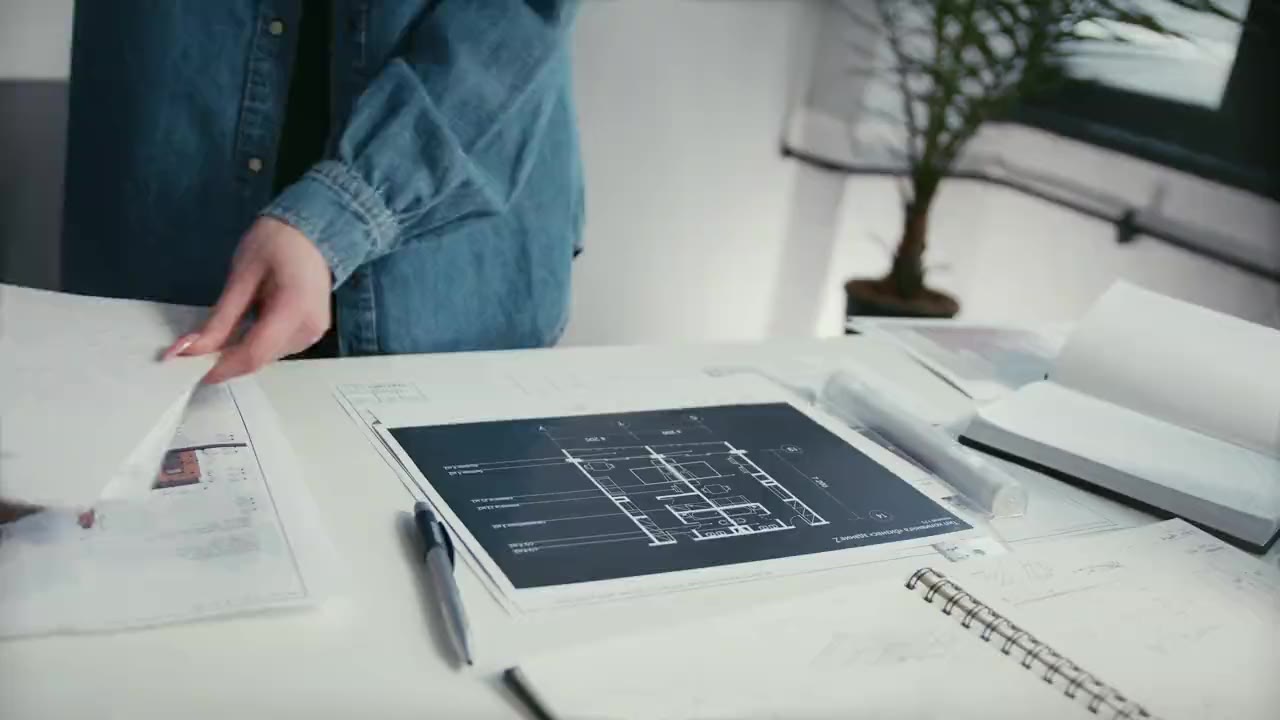
Hands sketching beside wood, stone and finish samples01

Define the requirements

Good execution starts with understanding how the finished product will be used. We translate your commercial goals, functional needs and presentation standards into a defined scope—whether you need custom packaging, a manufactured product, or assembled and packed goods.

Build a brief that answers the right questions

Share drawings, reference products or photographs, dimensions, quantities, target budget, intended use and delivery destination. Identify what is essential and where alternatives can be considered. We review material choices, finish expectations, component compatibility, handling requirements and the milestones that affect timing.

What matters in each business segment
  • Packaging: product dimensions and weight, protection needs, opening experience, artwork, decoration and how the pack will be filled or displayed.
  • Sourcing & manufacturing: application, drawings, materials, dimensional tolerances, hardware, fit, function and any project-specific performance or documentation requirements.
  • Kitting & assembly: the bill of materials, units per kit, assembly sequence, incoming-goods condition, inspection needs, labels, repackaging and final pack-out instructions. Goods may be supplied by you or by Link.

Before moving forward: align the project scope, open questions and the information needed for an accurate proposal.
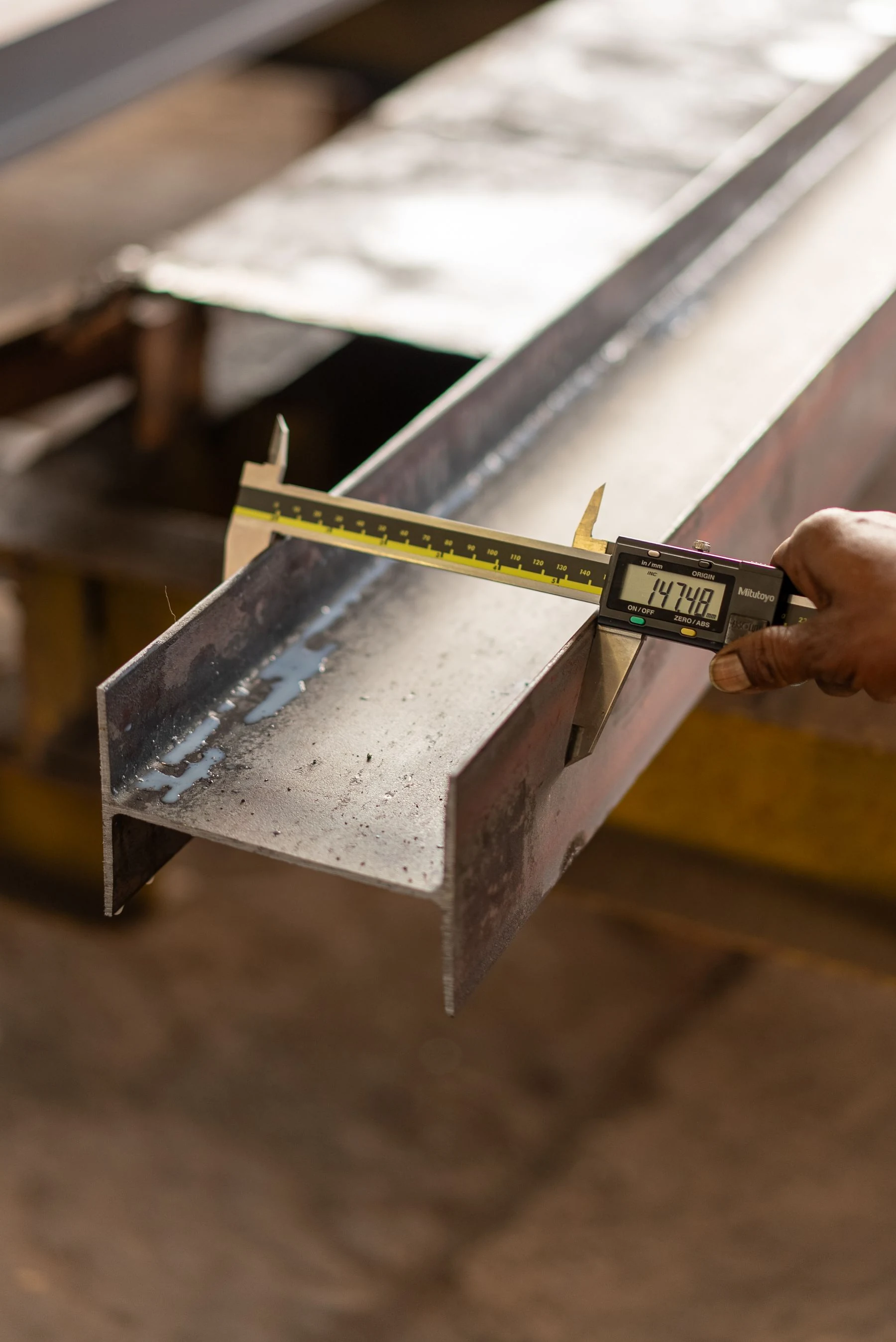
Digital caliper measures the width of a steel profile at a workshop bench.02

Confirm specifications & samples

A reference image communicates direction; a specification defines what will be made. We connect dimensions, materials, components, finishes and artwork to the sample and approval stages your project needs.

Turn expectations into an approved reference

Depending on the product, this can include a structural sample, material or finish swatches, a working sample, an artwork proof or an assembled first article. Each answers a different question: a digital proof checks artwork and placement, while a physical sample helps evaluate size, fit, feel and construction. Confirm which characteristics a sample represents and any differences from final production.

What we review before production
  • Packaging: dielines, internal clearances, insert fit, opening and closure, print placement, color references and decoration. Bottles, jars, pumps and closures need compatible dimensions and application-specific checks.
  • Manufactured products: key dimensions, material and finish references, joints, hardware, assembly interfaces and relevant functional checks.
  • Kitting & assembly: a reference kit or approved work instructions showing component quantities, orientation, sequence, label placement and finished presentation.

Approved drawings, artwork and sample references establish the production baseline. Changes should be documented and reviewed for their effect on price, timing and any need for renewed approval.

Before moving forward: confirm the applicable specifications, sample approvals and outstanding decisions before releasing the relevant production work.

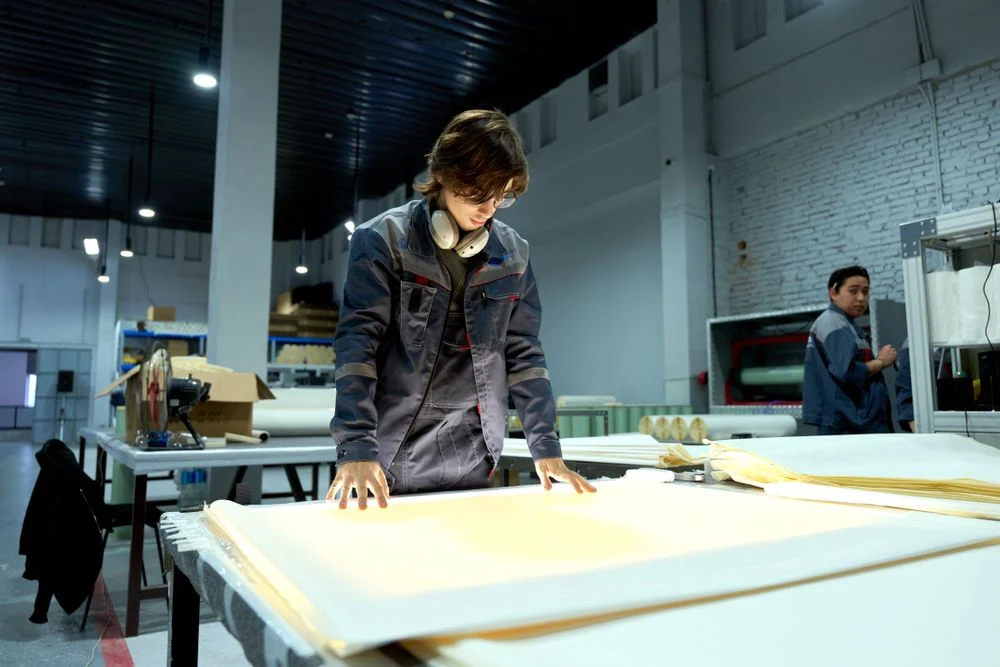
Worker examines a large sheet on an illuminated inspection table03

Production, QA & inspection

Quality begins before the finished goods are inspected. Our approach connects preventive quality assurance (QA) with quality inspection (QI): define what is acceptable, establish the relevant controls, then check the goods against the approved requirements.

QA: plan for consistency

The project quality plan starts with the approved specification, sample references and work instructions. Identify critical dimensions, materials, fit, finish, function and packing requirements, and agree the relevant checkpoints. Clear revisions and acceptance criteria help prevent avoidable differences between the approved reference and the production order.

QI: verify the actual goods

Inspection scope can include incoming components, in-process work and finished goods before shipment. Checks are selected for the product and order: visual finish, dimensions, operation, component counts, artwork, labeling and packed condition. Inspection may use an agreed sample; a full-unit check or specialist testing is defined separately when the project requires it.

Examples of category-specific quality checks
  • Packaging: construction, print alignment, visible color and finish consistency, closure operation, insert fit, container compatibility and transit protection.
  • Manufactured products: dimensional conformity, finish condition, joints, hardware, assembly fit and agreed functional requirements for the intended use.
  • Kitting & assembly: correct components and quantities, assembly sequence, product condition, label placement, kit presentation and carton contents.

When an issue is found, the response needs to address the affected goods, the agreed acceptance criteria and the appropriate correction or disposition. Rework and reinspection requirements are confirmed before those goods are released. Your Link contact keeps approvals and quality decisions connected to the order.

Before moving forward: review the required inspection findings and resolve outstanding quality decisions for shipment release.

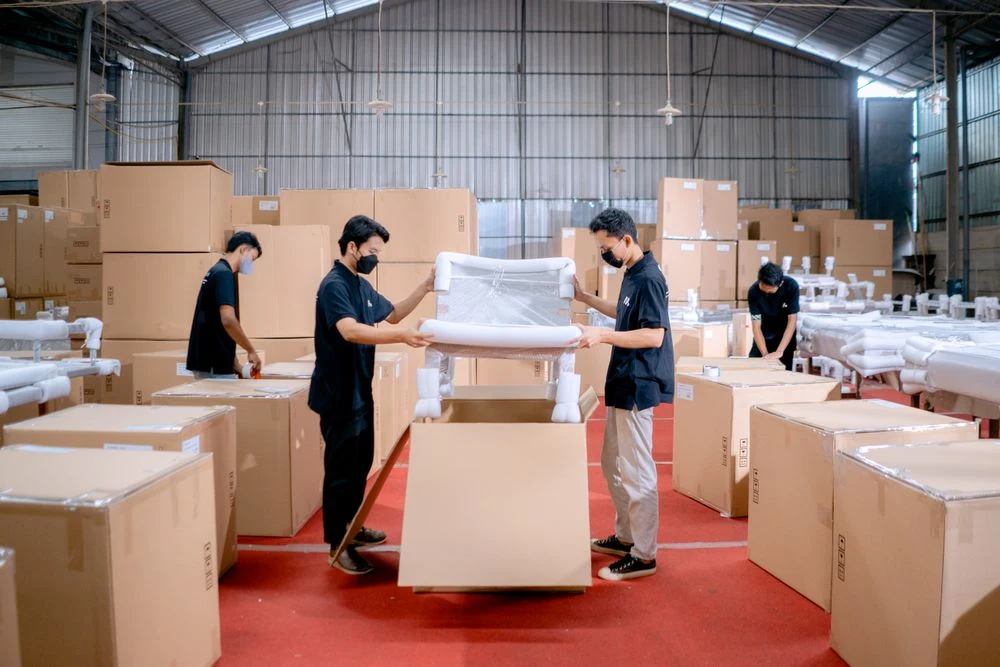
Workers lower a protected furniture item into a large shipping carton04

Prepare, coordinate & deliver

Delivery planning begins with the destination and receiving requirements—not just the shipping date. We connect finished-goods protection, packing, quantities, documentation and delivery arrangements to the agreed order scope.

Make the goods ready for their next step

Confirm individual protection, carton quantities, carton identification, handling needs and any pallet or receiving specifications. A retail-ready kit, a fragile manufactured item and a bulk packaging order can require very different pack-outs. The packing plan should reflect how the goods will be transported, received, stored and used.

Delivery considerations across the three segments
  • Packaging: prevent crushing, scuffing or contamination, organize sizes and artwork versions, and confirm carton counts and identification for receiving.
  • Manufactured products: protect surfaces and vulnerable components, identify hardware or separate parts, and confirm shipment dimensions and destination access requirements.
  • Kitting & assembly: reconcile completed-kit quantities, label and pack finished sets, and agree how remaining components or nonconforming items will be handled.

Shipment arrangements, destination details and required documents are confirmed for the order. Timing depends on the approved scope, production readiness and transport arrangements. If kitting, inspection, rework or repackaging is needed, it can be included in the project or provided as a standalone service for goods you already have.

Before moving forward: confirm the final packing and quantity details, delivery arrangements and receiving contact.

ONE COMPANY.
CONNECTED SERVICES.

Choose custom packaging, sourcing & manufacturing, kitting & assembly—or connect all three in one project.

Requirements, sample scope, inspections and delivery arrangements are confirmed for the actual order.

Explore kitting & assembly

EXPLORE YOUR PROJECT

Packaging